
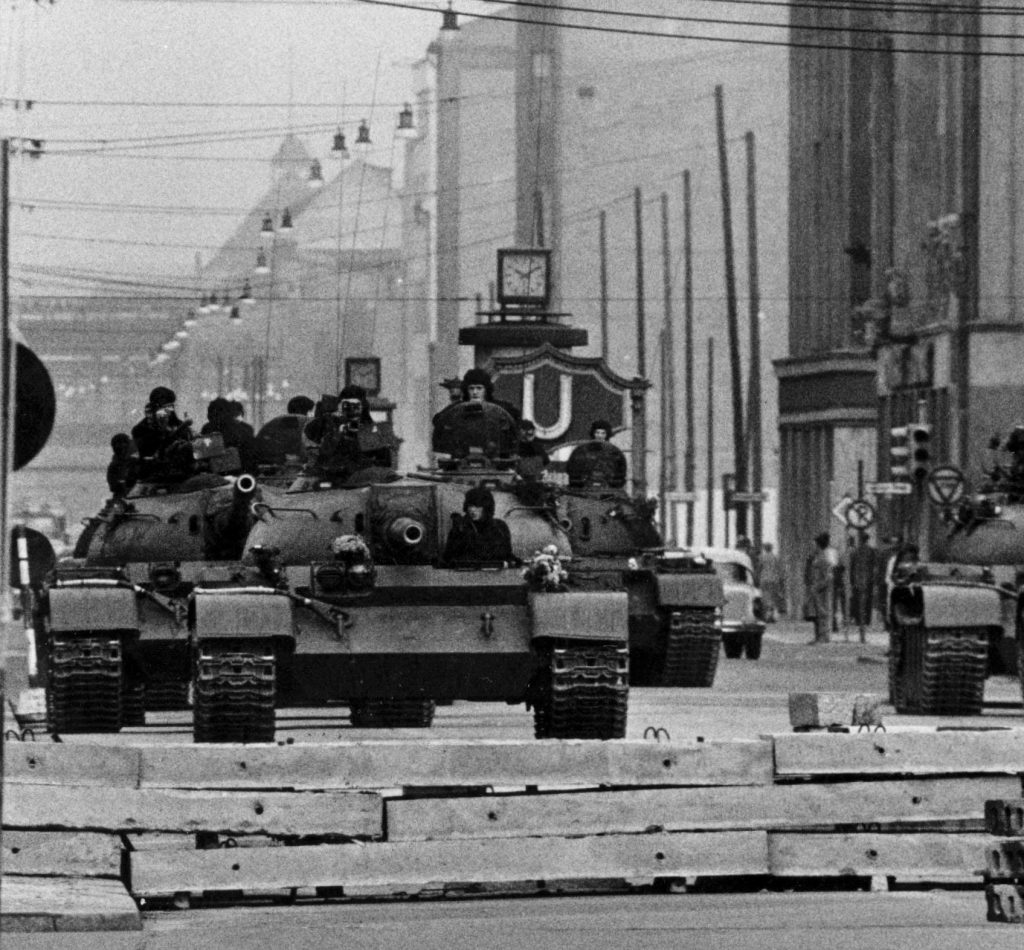
The Cold War’s study and the ending brought several conclusions of human behavior, conflict, and cultural ideals that would further shape the realm of international relations theorem. Two prominent arguments, both studied today in international relations theory, highlight how the world is viewed in the aftermath of the Cold War. Each, arguably, presents two distinct and opposite explanations of Western liberalism and its influence on the international system. Famous international relations scholar Francis Fukuyama places value on the theory that there would be no serious competition between Western liberalism and its opposites of fascism and communism. It is important to remember that Fukayama’s explanation was cast right before the fall of the Berlin Wall and, respectfully, was proven wrong at the turn of the twentieth century. In contrast, scholar Samuel Huntington sees the post-war era as one in which “conflicts of the future will occur along the cultural fault lines separating civilizations” (Huntington, 1993).
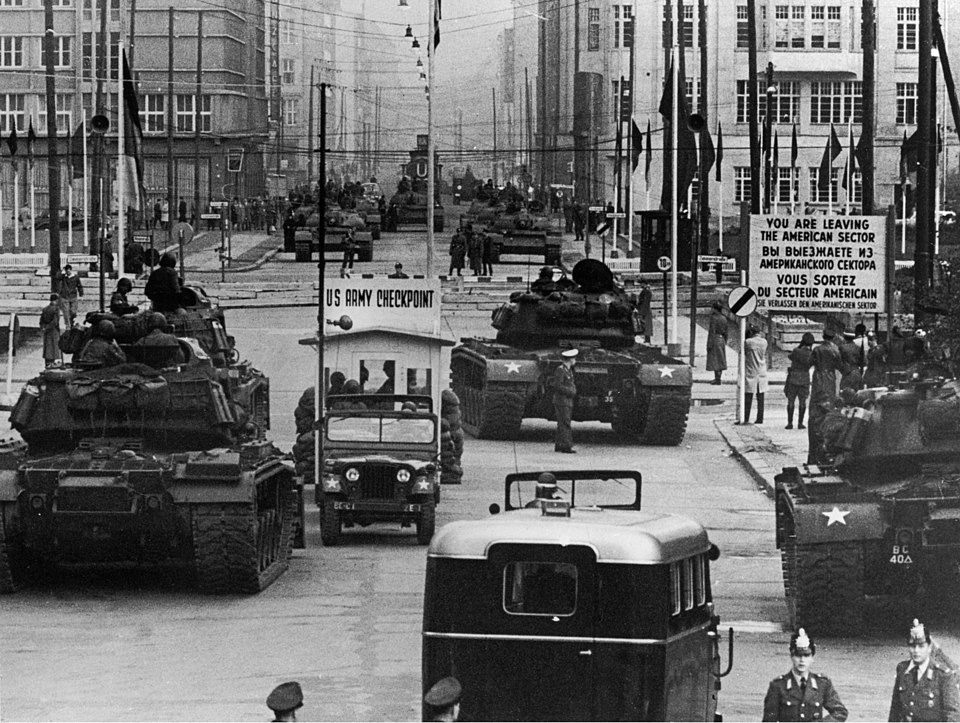
Francis Fukuyama saw identity politics and Western influence as the only relevant players on the international playing field since all other ideological systems alternative to liberalism had failed (Fukuyama, 1989). The fall of the Soviet Union was to Fukuyama, as was the Battle of Jena in October 1806 to Hegel: the “end of history.” Both thinkers observed a time when ideals were so powerful that international adversity could cease to exist. A system in which humanity from all sectors of society could be too busy creating and growing free markets that it would not find the opportunity to conquer one another. Fukuyama expertly highlights the dichotomy between proletarianism and capitalism, where the two systems can often meet each other in the middle with their fundamentals. The loss of idealism to materialism, and consequently sociocultural, was one of Fukuyama’s supporting arguments for his 1989 publishing of ‘The End of History.’ Fukuyama argues that the egalitarianism of modern America represented ideologically similar outcomes to that of a Marxist system. What this presented was the lack of need for any other society besides Western liberalism because, after the Cold War, America possessed the “achievement of a classless society” (Fukuyama, 1989).
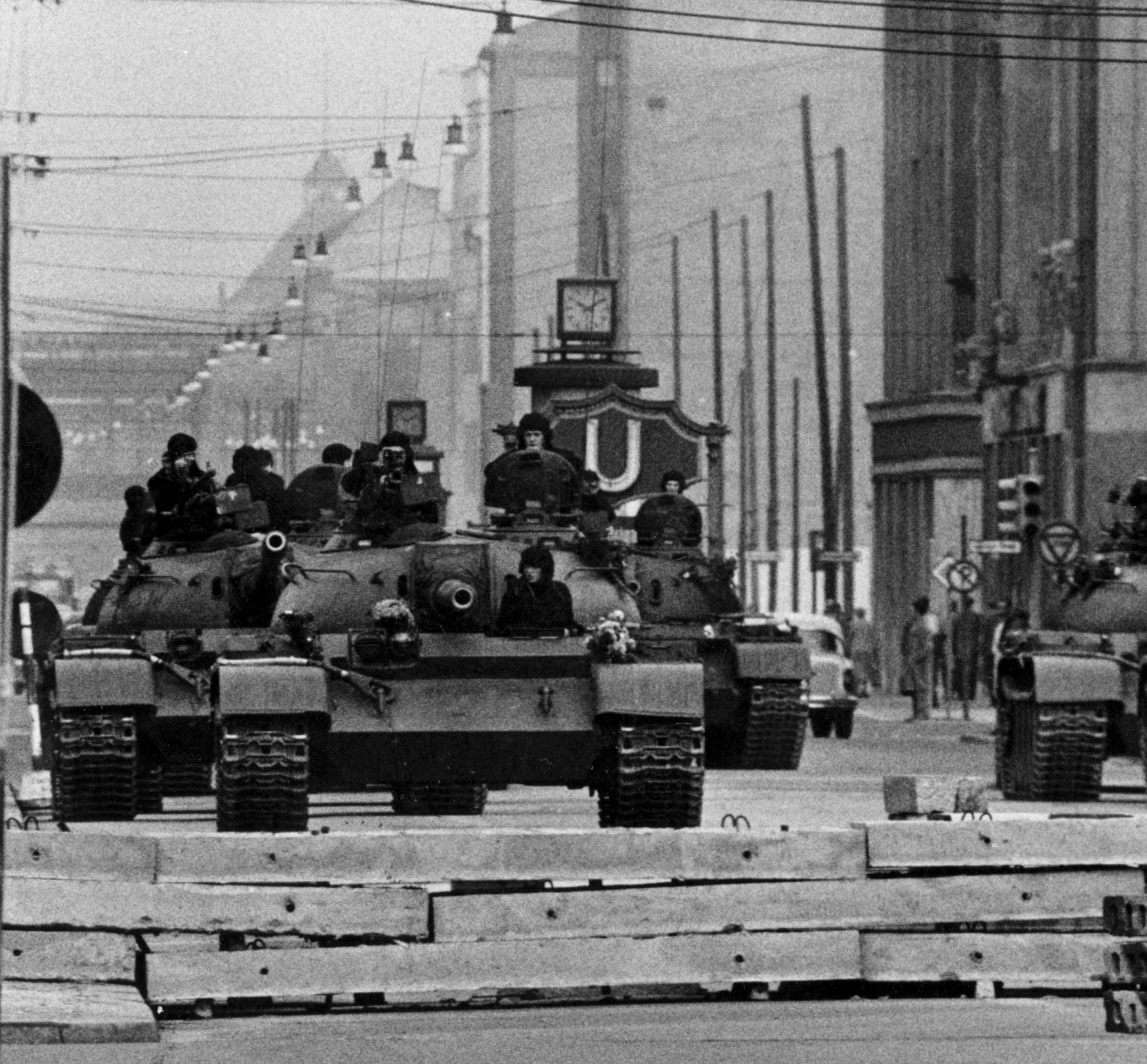
A much more relevant argument, in hindsight, is one that Samuel Huntington created, a world where traditional adversity between actors due to cultural differences would render “the end of history” (Huntington, 1993). The most considerable discrepancy in Fukuyama’s argument exists where man’s “inherently bad or good” (Waltz, 1959) nature is underestimated; that is, too much stock was placed in man’s ‘good’ idiosyncrasies. Huntington picks up this slack by describing a global system where existing cultural tensions would manifest war and further conquering. The ideals of realism are dramatically present in this level of argument, so much so that Huntington details the inherently lousy side of man and the primary motivations to conquer and grow. Many bases for his argument stem from the observance that Western civilization encroaches on many other cultures and societies in the international system, such as the United State’s involvement during the Iraq war. “The very phrase ‘world community’ has become a euphemism to give legitimacy to the actions of the West” (Huntington, 1993). To the scholar, identity politics was the answer to explain why conflict amongst men, and their states, would continue after the post-war twentieth century.
Bibliography
Beschloss, Michael. Our Documents: 100 Milestone Documents from the National Archives. Oxford: Oxford University Press, 2006.
Huntington, Samuel P. “The Clash of Civilizations?” Foreign Affairs 72, no. 3 (1993): 22-49. Accessed September 22, 2020. doi:10.2307/20045621.
Mungiu-Pippidi, A., & Mindruta, D. (2002). Was Huntington Right? Testing Cultural Legacies and the Civilization Border. International Politics, 39(2), pp. 193 213.
This paper was originally written in September 2020 for a Political Science class I took at the University of Alaska Fairbanks.
This text is copyright 2025 | Gabriel King | All Rights Reserved